


Introducing: LXSTBØY

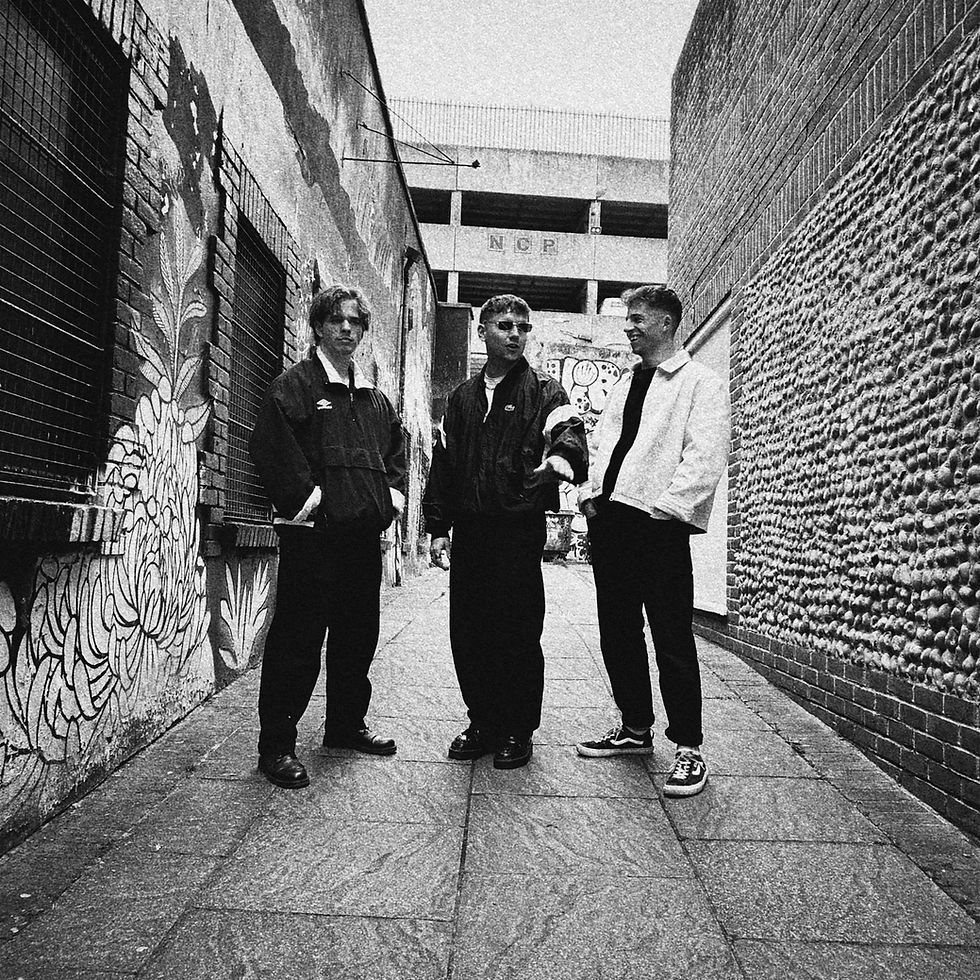
LXSTBØY isn’t here to play nice — and he’s definitely not here to stay silent. The Bristol-born, Sheffield-forged artist is tearing through the noise with “Better Man”, a raw, DIY gut-punch that tackles toxic masculinity head-on. Blending the chaos of punk, the grit of grime, and the emotional weight of alt-rock, it’s less a single and more a rallying cry.
Written, produced, and performed entirely on his own terms, LXSTBØY’s latest track marks the beginning of a new era — one built on truth, vulnerability, and a refusal to perform for anyone. With a ferocious live show, a fiercely independent ethos, and zero interest in industry polish, LXSTBØY is carving a lane that’s all his. We caught up with him to talk self-destruction, calling out the lads, and how performing “Better Man” is fixing him one show at a time.
"Better Man" hits hard as both a track and a statement. What was the breaking point — the moment you realised this message had to be your next release?
I came to the realisation that I’d been acting up to a persona I thought people wanted to see. The music industry can feel like a lot of smoke and mirrors, and I’d convinced myself that if I was the rock ’n’ roll lad people expected, I’d somehow break through the noise. But my binge drinking was getting too much — and all the bad habits that come with that. I lost someone really important to me, and it made me stop and think: "What are you doing?" That’s when I realised I’d sacrificed a lot of my integrity and kind of lost myself along the way. I took a long look in the mirror and decided enough was enough — I wanted to do better. Writing this song was about turning something proper shit into something positive. That’s how “Better Man” came about.
You blend grime, punk, and alt-rock in a way that feels chaotic but intentional. How do you approach genre as a tool for confrontation — especially when tackling something as ingrained as toxic masculinity?
Honestly, I’ve just got to a place where I want to write songs for me. Genre doesn’t really come into it anymore — it’s a happy accident I’ve landed where I have. But grime, punk, and rock have always been about speaking truth and calling out the tough stuff. Those genres are like canaries in the mine for me — warning signs when things are off. I don’t think I could’ve said what I needed to say in “Better Man” with the same impact if it were a folk tune… and anyway, I can’t play banjo.
The track calls out performative allyship and challenges men to take real responsibility. How do you navigate delivering that message in a scene that’s often still complicit in the behaviours you’re critiquing?
I’ve lost a lot of mates over it — but if people aren’t up for hearing what I have to say, then fair enough. See ya. Talking is the only way I’ve been able to stay grounded, and if other lads don’t want to do that, that’s on them. I’m not about wasting that opportunity to grow. If I can belt this tune out to a rowdy punk and grime crowd, and they connect with it, then I feel like I’m reaching the people who need it most. You’ve got to be in amongst it if you want to make change. My shows are — and always have been — safe spaces. That’s how it should be everywhere.
Your live shows are clearly central to your identity. What changes — emotionally or politically — when "Better Man" gets performed live versus heard on headphones?
Writing the track was emotional enough, but performing it took things to another level. It feels like I’m baring my soul in front of a room full of people — it’s intense. But the energy shifts. It’s like everyone’s locked in, standing with me, not against me. I’m not alone with those demons in that moment. It’s healing me, one show at a time. I don’t go into it with a script; the performance is always shaped by who’s in the room. The more I can keep it real and honest, the better. It’s raw and visceral — and I think people feel that.
You’re fiercely DIY — writing, producing, and performing everything yourself. In a world full of filters and marketing teams, what does that independence let you do that label-backed artists might not be able to?
It’s terrifying, I won’t lie. I miss working with amazing producers — shoutout to my guy Jon Hucks — but doing it all myself feels like taking the safety belt off. There’s a proper sense of freedom in that. I can say exactly what I want, without worrying about narratives or pleasing anyone else. In this age of content vetting and silence, I reckon it’s the DIY musicians doing their own thing who’ll cut through the noise. Now more than ever, we need to be speaking our truth — not what we think people want to hear. Every track I make builds my confidence and makes me a better artist. It might feel like a step back sometimes, but really, it’s the opposite. I’m proud of where I am today.


Comments