


INTRODUCING: HADASSAH
- BabyStep Magazine
- Jul 7
- 6 min read

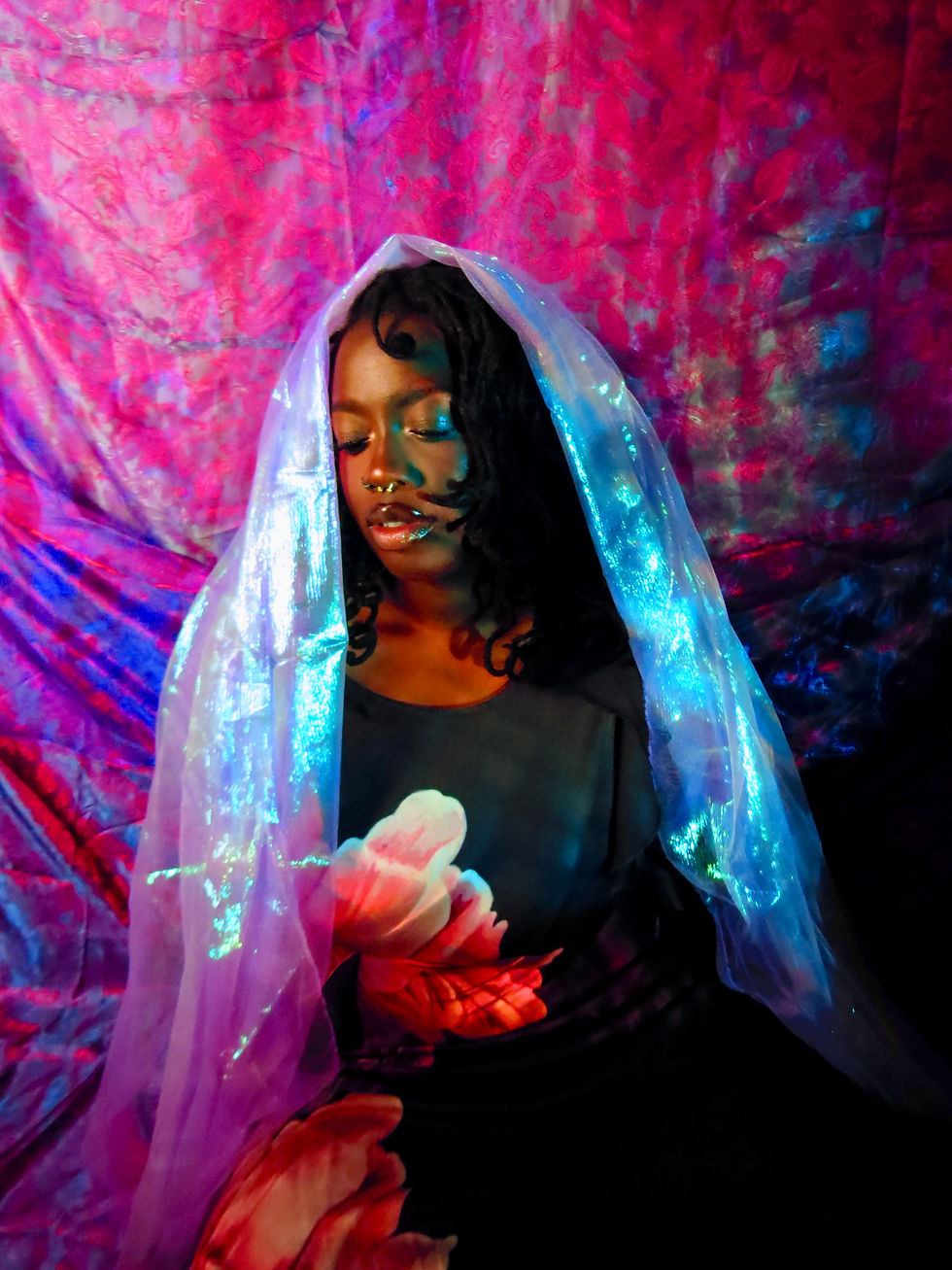
Leeds-based artist Hadassah has never been afraid of telling the truth. Blending alternative R&B, soul and neo-soul with diaristic songwriting, her latest single, What Did I Do? (Freestyle), captures the quiet devastation that follows the end of a relationship—not through blame or bitterness, but through confusion, vulnerability and an unwavering commitment to emotional honesty. Written just two weeks after a real breakup and built around an intimate vocal sample of her mother and godfather, the track marks a striking new chapter for an artist already earning support from BBC Introducing, Amazing Radio and being named a 'One to Watch' by Leeds tastemakers Super Friendz.
Produced alongside Ben Foden, What Did I Do? (Freestyle) strips everything back to its emotional core, offering listeners unprecedented access to Hadassah's inner world. We caught up with her to discuss the healing power of songwriting, the deeply personal family connection woven into the record, and why this single represents a complete artistic reset.
What Did I Do? (Freestyle) was written just two weeks after a real breakup. Looking back now, what does it feel like to revisit such a raw and vulnerable moment through the song?
It’s been six months since I created What Did I Do? and every time I listen to the song, I experience different feelings. I am so proud of myself for being able to showcase that level of vulnerability in a song, and I think that’s because, while I was creating it, I wasn’t thinking about anybody else listening to it. It was a moment for me to be emotionally vulnerable with myself and voice things that I don’t usually even let out because I find them so uncomfortable to process. Revisiting that time does feel healing. It feels as if I left a lot of the feelings, emotions and confusion that I felt during the end of my relationship on the track, and it feels freeing to revisit a certain version of myself in a controlled capsule. It's one of my favourite things I’ve ever made.
The track doesn’t place blame or seek revenge; instead, it explores confusion and heartbreak. Was it important for you to tell the story from that perspective rather than focusing on anger?
It was definitely important. I don’t want to villainise the person that I wrote this song about. We have had our own closure in whatever way necessary, but this song was also very important to that closure, and I did think it was fair to tell my side of my story to represent what I felt in that moment.
The reason why it was so important to focus on that perspective is because the end of this relationship was a lot more subtle than heartbreak I had experienced before. I genuinely think the breakdown came from two people that loved each other being in a place where one of us wasn’t able to provide what the other one was needing, because they just didn’t have the tools in the arsenal to be that person I wanted them to be, and that isn’t 100% her fault.
But of course, as you can tell, I am angry in this song, especially at the end. I think I would say less anger, and more feeling depleted, feeling empty, feeling drained. That links a lot more to what I was feeling.
The song opens with a vocal sample featuring your mother and godfather. What inspired you to include that personal family connection, and what does it add to the story you’re telling?
My mother is my everything. She’s my inspiration for all that I do. She’s my governing body, and she is why I sing.
One day, my godfather reached out to her and let her know that he had digitalised a lot of old cassette tapes from when they used to perform at Brixton Church and other churches around London back in the day. She showed me the video of her when she was my age, and I immediately burst into tears. I was uncontrollably crying because it was just so beautiful to see my mum at the time when she was exactly where I am in life now.
It was very weird to see her like that and to hear the quality of her voice, how beautifully she sang. It broke my heart as much as it warmed my heart, because my mum was very much discouraged from continuing her music career when she was younger. My grandparents were immigrants from Jamaica, and they were very much telling her that she needed to go on the straight and narrow.
I wanted to put my mum on the song to keep that version of her alive forever. It’s haunting yet beautiful. Having the two people that I go to for advice in situations like this be on this song just felt so important to me. We definitely built the production of the track around the samples, and she’s not just in the beginning. She is featured further back in the lyrics when I say, “I should have listened to my mother.” So have a listen out for my mother.
You’ve described your songwriting as diaristic and emotionally direct. Do you find writing music helps you process difficult experiences, or does the understanding come later once the song is finished?
If I’m honest, I think writing these emotionally direct, very diaristic songs comes so easily to me because I’m so present, yet also kind of detached. It feels like I am writing about somebody else, or writing about my life as if it’s a joke, and then it’s not until I’ve pieced it all together and start singing it that the reality of the lyrics sink in.
I think sometimes I’m actually shocked at how vulnerable I am in my music unintentionally. When I write, I’m not thinking “today I am going to be vulnerable” or about metaphors and similes and music theory. My music is basically spoken word to me. It’s so literal.
I do think writing music helps me process difficult experiences because, in a way, writing about my life makes it feel more romantic. It makes it feel like it’s part of the process, the journey. It’s all going to end up in that amazing documentary about me when I’m a legend. For me, it’s me trying to capture moments that I know won’t always be my forever, and I do take a lot of peace in knowing that.
You’ve already received support from BBC Introducing, Amazing Radio and been named a ‘One to Watch’ by Super Friendz. With What Did I Do? (Freestyle) now arriving, what do you hope listeners take away from this next chapter of your journey as an artist?
See this song as an artist reset. I want listeners to know that they are getting a level of access to me that they never have before with any of my other songs. This song is a love letter to a version of me that was really hurting and felt a way that I had never felt before when it comes to love and heartbreak.
Working with a producer like Ben Foden made me realise that the world is genuinely my oyster. You will never hear anything that sounds like the previous EP I released last year again. You may not even hear a song that sounds like this again, but what you will continue to hear is me being honest to the version of myself that I am in that moment when I’m creating that piece of art.
I want people to take away that it is okay to be confused. It is okay to be vulnerable enough to be patient with somebody and continue to pour your love and trust into them, hoping that you will get something back. And if you don’t, know that it is okay to walk away. It does not make you a bad person to give up on trying to pour into somebody who just does not have any more room in their cup to receive what you are pouring. It is also okay to feel angry, even if somebody has not intentionally hurt your feelings. I’m just so ready to keep moving forward, and I know this is the beginning of a new journey where I’m going to continue to give people access to me and my wildest thoughts and feelings.


Comments